Protecting Pets From Salt and Ice Melt in Fort Collins
Protecting Pets From Salt and Ice Melt in Fort Collins
Winter in Fort Collins brings its share of snow and icy sidewalks, prompting many pet owners to wonder how best to protect their furry companions’ paws from salt and ice melt. If you have ever noticed your dog or cat hesitating on a walk, licking their feet after coming indoors, or showing signs of discomfort during the colder months, you are not alone. At Harmony Road Veterinary Clinic, located at 309 W. Harmony Road, Fort Collins, CO 80526, we understand the unique challenges that winter weather brings to pets and their owners in our community.
This blog will explore why sidewalk salt and ice melt can be problematic for pets, how to recognize the signs of salt exposure or irritation, and what steps you can take to keep your pet’s paws healthy all winter long. We will also discuss when it is time to schedule a visit with our veterinary team and how our comprehensive services—including urgent care and wellness exams—support your pet’s wellbeing throughout the cold season. Whether you are walking the trails in Fort Collins or navigating your own driveway, our goal is to equip you with knowledge and practical tips for protecting your pet from the hidden hazards of winter.
Recognizing Salt and Ice Melt Issues in Pets
As a pet owner, it is important to be able to spot when your dog or cat may be experiencing discomfort or injury from exposure to sidewalk salt or ice melt. Although many pets are eager for their daily walks regardless of the weather, winter brings extra risks that can sneak up quickly. Key symptoms of salt or ice melt irritation include limping, favoring one paw, or suddenly stopping during a walk. Additionally, you might observe your pet licking or chewing at their paws more frequently, which could be a sign that their feet are irritated or painful. Redness between the toes, cracked or bleeding paw pads, or even a reluctance to go outside can further suggest trouble.
For cats, especially those with outdoor access, you may notice them grooming their paws excessively or avoiding certain areas that have been treated with de-icers. In more severe cases, pets may develop blisters or chemical burns on their paws, or show mild swelling and discomfort. These signs are a clear indication that your pet is reacting to something on the ground—most likely the salt and chemicals used to keep sidewalks safe for people, but not always safe for pets.
If you notice any of these symptoms, it is important to begin home care immediately and monitor for worsening signs. In some cases, symptoms may overlap with other types of irritation or allergies, so persistent or severe reactions should always be evaluated by a veterinarian. The team at Harmony Road Veterinary Clinic regularly helps pet owners in Fort Collins and surrounding communities address winter paw concerns, offering both preventive advice and medical care when needed.
Why Salt and Ice Melt Are Harmful to Pets
Understanding why salt and ice melt pose a risk to pets’ paws can help you take better steps to avoid problems. Most ice melt products contain chemicals such as sodium chloride, calcium chloride, potassium chloride, or urea. While these ingredients help melt snow and prevent ice from forming, they can be harsh on sensitive paw pads. When your dog or cat walks across treated sidewalks, these substances may stick to their fur and skin, drawing out moisture and leading to dryness, cracking, and irritation.
In addition to direct contact, pets often lick their paws after a walk to clean themselves, which can result in them ingesting small amounts of these chemicals. Ingested ice melt can cause drooling, nausea, vomiting, or even more serious symptoms if a large amount is consumed. For some pets, especially those with underlying allergies or sensitive skin, even minimal exposure to salt or de-icing agents can cause a reaction. This is especially true in areas like Fort Collins, where frequent snowfalls mean repeated applications of ice melt throughout the winter.
It is also important to note that not all de-icers are created equal. Some “pet-safe” products are less irritating, but even these can cause mild discomfort or dryness if not removed promptly. The climate in Fort Collins—with its combination of cold temperatures and dry air—can further exacerbate paw pad issues, making preventive care especially important during the snowy months.
Veterinary Treatment and Management for Salt and Ice Melt Exposure
When a pet experiences irritation or injury from salt or ice melt, the right course of treatment depends on the severity of their symptoms. For mild discomfort, professional guidance can help you care for your pet’s paws at home, but more serious cases may require a visit to the clinic. At Harmony Road Veterinary Clinic, our veterinarians are experienced in diagnosing and managing paw pad injuries, allergic reactions, and chemical burns related to winter conditions.
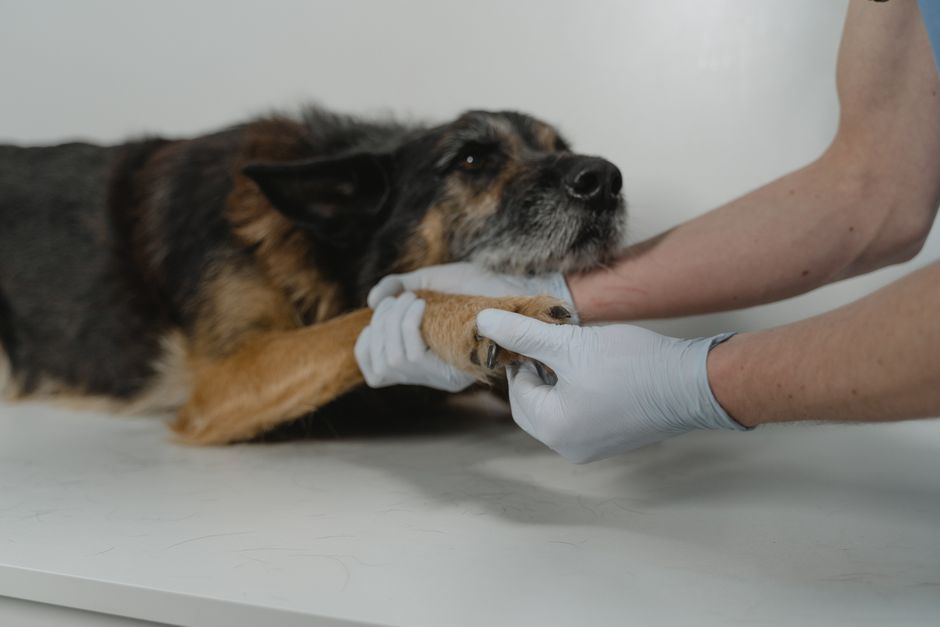
Initial treatment approaches often involve gentle cleansing of the affected paws to remove any remaining salt or chemicals. We may recommend a soothing paw soak, followed by application of a veterinarian-approved moisturizer or ointment to promote healing and reduce discomfort. For pets experiencing significant inflammation or signs of infection (such as swelling, pus, or persistent bleeding), additional treatments like topical antibiotics or anti-inflammatory medications may be needed.
If your pet’s symptoms persist or worsen, scheduling a wellness examination with our veterinary team ensures a thorough evaluation and tailored treatment plan. In cases where an underlying allergy is suspected, our allergy management services can help identify triggers and prevent future episodes. For acute injuries or severe pain, our clinic is equipped to provide urgent care, ensuring that your pet receives prompt attention and relief.
We always recommend using only products and treatments designed for pets, as human lotions or home remedies may not be safe or effective for animals. Never hesitate to reach out to our veterinary professionals if you are unsure about your pet’s symptoms or if you have questions about which products to use.
Prevention and Home Care: Keeping Paws Safe in Winter
Preventing salt and ice melt issues begins with a few simple but effective steps before and after each winter walk. Before heading outdoors, consider applying a pet-safe paw balm or wax to create a protective barrier against ice melt chemicals and moisture loss. Some pet owners find that dog booties offer the best protection, especially for dogs who tolerate wearing them. However, for those pets who resist boots, regular paw inspections and immediate cleaning after walks are essential.
After every outing, gently wipe your pet’s paws with a damp cloth or rinse them in lukewarm water to remove any lingering salt or de-icing agents. Be sure to check between the toes and around the pads, as these areas are most likely to trap irritants. Dry your pet’s feet thoroughly to prevent chapping and further irritation. For pets with long hair, trim the fur around their paws to minimize the buildup of snow, ice, and chemicals.
If your pet has a history of sensitive skin or allergies, pay extra attention to any changes in their paw health during the winter months. If you live in an area where you control the sidewalks or driveway, opt for pet-friendly ice melt products that are less likely to irritate paws. Remember that even “pet-safe” de-icers should be cleaned off your pet’s feet after walks, as they can still cause mild dryness or discomfort.
When integrating these habits into your winter routine, you can significantly reduce the risk of injury or irritation. Consistency is key, especially during periods of frequent snowfall or when sidewalks are repeatedly treated.
When to Seek Veterinary Care for Paw Irritation
While many mild cases of salt or ice melt irritation can be managed at home, there are situations where professional care is necessary. Seek veterinary attention if your pet shows persistent limping, severe redness, swelling, or open sores on their paws. Additional warning signs include frequent licking or chewing that does not improve, signs of pain such as whimpering or avoiding walks, or any evidence of infection like pus or foul odor from the paws.
If your pet ingests a significant amount of ice melt or shows systemic symptoms such as vomiting, drooling, or changes in behavior, immediate veterinary evaluation is crucial. Chemical burns or deep cracks in the paw pads always warrant a visit to the clinic, as these conditions can quickly escalate without proper treatment.
Harmony Road Veterinary Clinic offers a full range of services to address these issues, from urgent care for acute injuries to allergy management for pets with ongoing sensitivities. When in doubt, it is always safer to contact your veterinarian for guidance. Our team is here to support you with both preventive advice and effective treatments, ensuring that your pet’s paws stay healthy and comfortable all winter long.
Protecting Your Pet’s Paws All Winter: Partnering With Your Fort Collins Veterinarian
Winter can be a beautiful time to enjoy the outdoors with your pet in Fort Collins, but the presence of sidewalk salt and ice melt means a little extra care is needed to keep your furry friend safe. Recognizing the signs of paw irritation, understanding the risks of de-icers, and adopting preventive habits can make all the difference for your pet’s comfort and wellbeing during the snowy months.
The veterinarians at Harmony Road Veterinary Clinic are dedicated to supporting pet owners throughout Fort Collins and surrounding communities with compassionate, personalized care. If you have concerns about your pet’s paws, need help managing a skin condition, or want advice on choosing the right products for winter walks, our team is here to help. Scheduling an appointment for a wellness examination or paw check-up is a proactive way to ensure your pet’s health and happiness this season.
If you are searching for a veterinarian near me who understands the unique needs of local pets during winter, look no further than Harmony Road Veterinary Clinic. Call (970) 631-8199 or visit us at 309 W. Harmony Road, Fort Collins, CO 80526 to schedule your visit. Together, we can keep your pet’s paws healthy, so you both can enjoy everything that winter in Fort Collins has to offer.
This article is intended for informational purposes only and should not be used as a substitute for professional veterinary advice. If you are concerned about your pet’s health, please contact your veterinarian directly.