Dog Limping in Cold Weather: Causes and When to Seek Help

Dog Limping in Cold Weather: Causes and When to Seek Help
Winter in Fort Collins often means crisp walks, chilly paws, and sometimes, unexpected concerns for our canine companions. If you’ve noticed your dog limping in cold weather, you’re not alone; many local pet owners are surprised when their usually energetic dog starts to favor a leg after time outside in January’s frosty air. At Harmony Road Veterinary Clinic, conveniently located at 309 W. Harmony Road, Fort Collins, CO 80526, our veterinary team often sees increased appointments for lameness and discomfort as temperatures drop. In this post, we’ll explore why dogs limp in cold weather, how to spot concerning symptoms, what you can do at home, and when it’s time to schedule an appointment with our experienced veterinarians. We’re here to help you keep your pet comfortable and active through Fort Collins’ winter months.
Recognizing the Signs: Is Your Dog Limping in Cold Weather?
It can be worrying to see your dog hesitate on a walk or limp after coming inside from the cold. Recognizing when this is more than just a temporary ache is important for your pet’s wellbeing. Common signs include an obvious limp or favoring of one leg, reluctance to put weight on a paw, stiffness after lying down, or yelping when a paw is touched. Occasionally, your dog might seem fine indoors but start limping after exposure to chilly sidewalks or icy grass. Some dogs may lick or chew at their feet, while others might struggle to climb stairs or jump into the car. If you notice these behaviors, especially if they persist beyond a few minutes or get worse with repeated cold exposure, your pet could be dealing with more than just a little winter discomfort.
Pay attention to when the limping occurs, how long it lasts, and whether any swelling, redness, or wounds are visible. Documenting when your dog limps in cold weather and any patterns you notice can help your veterinarian diagnose the problem more accurately during a pet examination.
Why Does Cold Weather Make Dogs Limp?
There are several reasons why cold weather might prompt your dog to limp or seem stiff. Sudden temperature changes can cause muscles and joints to contract, making old injuries or arthritis flare up. For senior dogs or breeds prone to joint problems, the drop in temperature often leads to increased stiffness and pain. Ice and snow can also cause tiny cracks or cuts in paw pads, leading to discomfort with every step. Additionally, chemical ice melts and de-icing salts can irritate sensitive skin between the toes. Dogs with orthopedic issues, such as cruciate ligament tears or patellar luxation, may experience worsened symptoms in the winter, especially after slipping on icy surfaces.
Sometimes, a dog limping in cold weather can be traced to acute injuries from slipping, hidden sprains, or even frostbite in extreme situations. In Fort Collins, where winter can bring sudden temperature swings and ice, it’s not uncommon for healthy dogs to suddenly limp after an energetic romp outside. Underlying conditions, such as hip dysplasia or chronic ligament injuries, may also become more apparent during cold months, as the chill intensifies discomfort that might be less noticeable in warmer weather.
How Our Veterinary Team Diagnoses and Treats Limping in Cold Weather
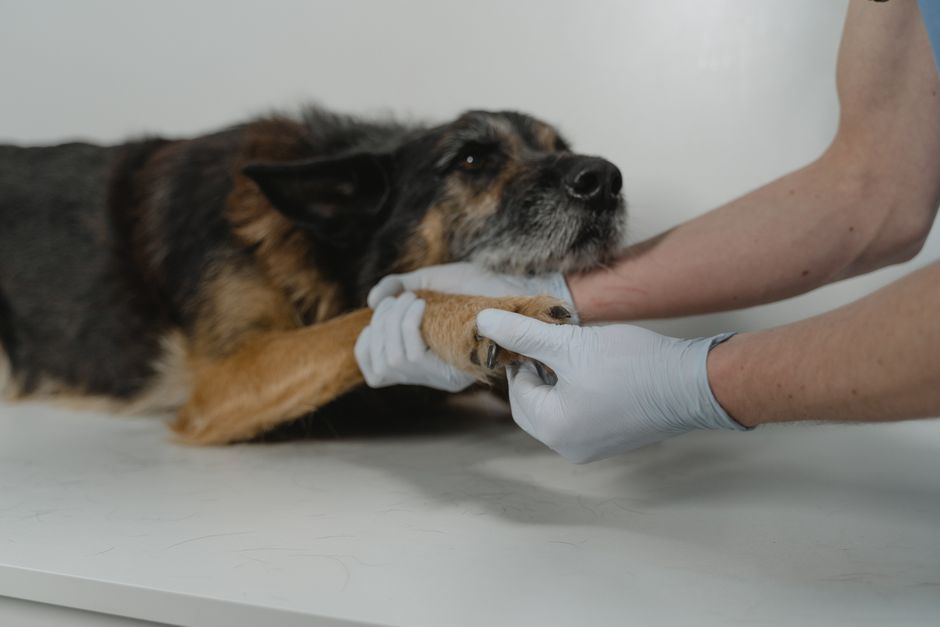
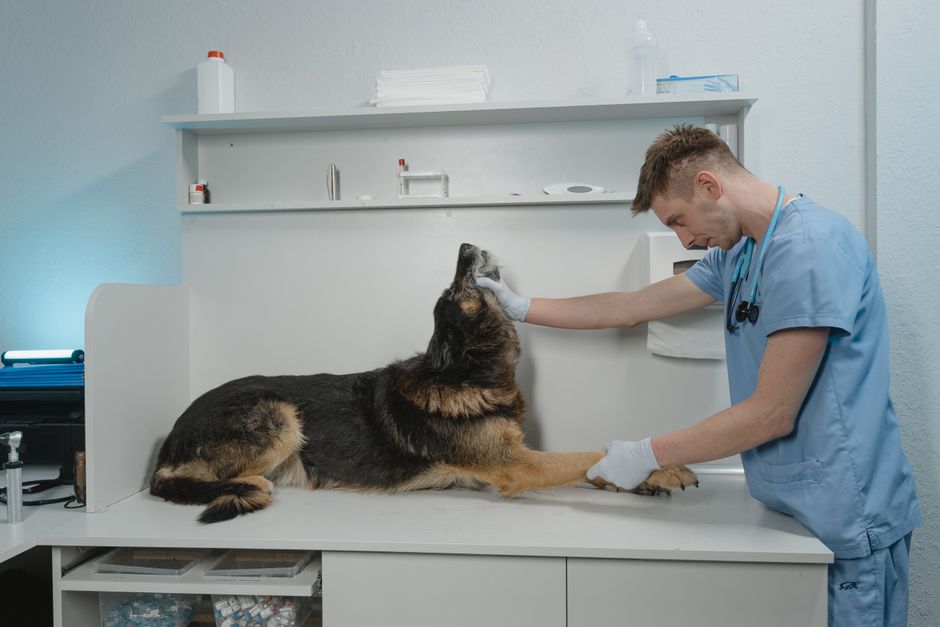
When you bring your dog to Harmony Road Veterinary Clinic for limping concerns, our team of veterinarians will start with a thorough physical exam, often followed by targeted diagnostics if necessary. We take time to ask about your dog’s recent activities, how severe the limp is, and whether the symptoms change after rest or warmth. Diagnostics might involve checking for joint swelling, testing range of motion, and gently palpating the affected limb. In some cases, we may recommend digital radiology to look for fractures or signs of arthritis, or suggest advanced orthopedic evaluation if a ligament injury or chronic joint problem is suspected. You can learn more about our approach to lameness and mobility concerns by visiting our orthopedics services page.
Treatment options vary depending on the cause of the limping. For mild cases, rest and anti-inflammatory pain medication may be sufficient. If arthritis is the culprit, long-term management strategies could include joint supplements, prescription medications, and weight management to reduce stress on aching joints. For injuries such as sprains or tears, our veterinarians may recommend more advanced care, such as orthopedic surgery or structured rehabilitation. Paw pad injuries are often treated with gentle cleaning, topical ointments, and protective booties to prevent further irritation. In all cases, our goal is to restore your dog’s comfort and mobility so you can both enjoy winter activities safely.
Home Care and Prevention: Helping Your Dog Stay Comfortable in the Cold
While some causes of limping require professional attention, there are practical steps you can take at home to reduce your dog’s risk of cold-weather lameness. Keep walks shorter on especially frigid days, and consider using protective booties to shield sensitive paws from ice, salt, and snow. Wipe your dog’s feet thoroughly after every outing to remove de-icing chemicals and check for small cuts or stuck ice balls between the toes. Creating a cozy, warm resting spot indoors helps stiff joints recover after time outside. For dogs with a history of arthritis or joint problems, maintaining a healthy weight and providing joint supplements, as recommended by your veterinarian, can make a noticeable difference during winter months.
Regular wellness visits are another important tool for prevention. Early detection of orthopedic issues allows for proactive management, so problems are less likely to flare up when temperatures drop. Scheduling a comprehensive pet exam ensures that any subtle changes in your dog’s gait or comfort are identified and addressed quickly. By partnering with our veterinary professionals, you can minimize the chances of your dog limping in cold weather and keep them active throughout the season.
When Should You Schedule a Veterinary Visit for Limping?
Not all limping requires immediate intervention, but certain warning signs indicate it’s time to contact our veterinary team. Schedule an appointment if your dog’s limp lasts more than a day, gets worse with activity, or is accompanied by swelling, heat, or visible wounds. Sudden limping after a slip or fall, inability to put any weight on a leg, or vocalizing in pain are all urgent reasons to seek care. If your dog has a history of orthopedic problems or is a senior pet, even mild limping in cold weather warrants a professional evaluation to prevent further complications.
At Harmony Road Veterinary Clinic, we understand how distressing it is to see your pet in discomfort. Our Fort Collins veterinarians are experienced in both routine and urgent care for lameness, and we’re committed to finding the cause of your dog’s symptoms promptly. For more information about when urgent attention is needed, you can learn about our urgent care services.
Keeping Your Dog Moving All Winter: Compassionate Care for Limping Pets
Winter in Fort Collins brings its own set of challenges for our four-legged family members. Whether your dog limps in cold weather due to arthritis, an icy injury, or another underlying condition, the most important step is to listen to your pet and seek help when needed. If you’re searching for a vet near me who understands the unique needs of dogs during Colorado winters, Harmony Road Veterinary Clinic is here for you. Our compassionate veterinarians and support team are dedicated to personalized, same-day care for pets in Fort Collins and surrounding communities.
If your dog is limping in cold weather or showing signs of discomfort, don’t wait—schedule an appointment with our experienced team today. Call (970) 631-8199 or visit our website to request a visit at our Harmony Road location. With proactive veterinary care, your dog can enjoy winter walks and playtime safely—no matter how cold it gets outside.
This article is for informational purposes and should not replace a professional veterinary examination. If your pet is in pain or unable to walk, please contact your veterinarian immediately.