Orthopedic Surgery for Pets in Fort Collins: What to Expect
Orthopedic Surgery for Pets in Fort Collins: What to Expect
When your dog or cat begins to limp, struggles to jump on the couch, or suddenly avoids their favorite activities, it is natural to feel worried and wonder what steps to take next. Orthopedic problems in pets can range from minor sprains to serious joint injuries, and when conservative treatments are not enough, orthopedic surgery may be necessary to restore your pet’s comfort and quality of life. At Harmony Road Veterinary Clinic, located at 309 W. Harmony Road, Fort Collins, CO 80526, our team of veterinarians is dedicated to providing comprehensive orthopedic care, from advanced diagnostics to surgical intervention and recovery support. In this guide, we will walk you through the most common signs of orthopedic issues in pets, discuss why these problems develop, explain the types of surgeries we offer, review what to expect during recovery, and help you understand when it is time to seek professional care. Whether your pet is facing a sudden injury or a chronic joint condition, our goal is to help you feel informed and confident as you navigate orthopedic surgery options in Fort Collins.
Recognizing Orthopedic Problems in Dogs and Cats
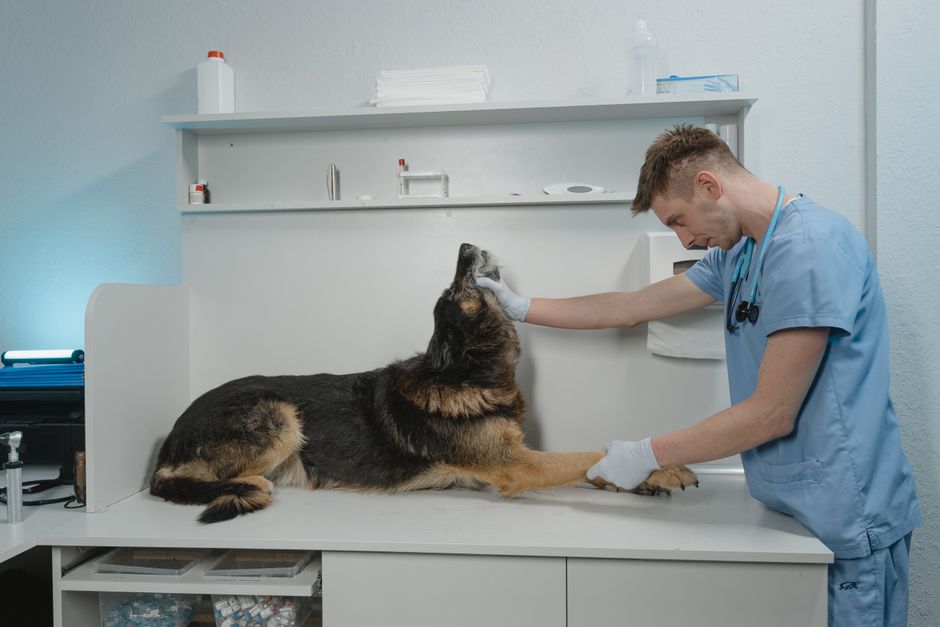
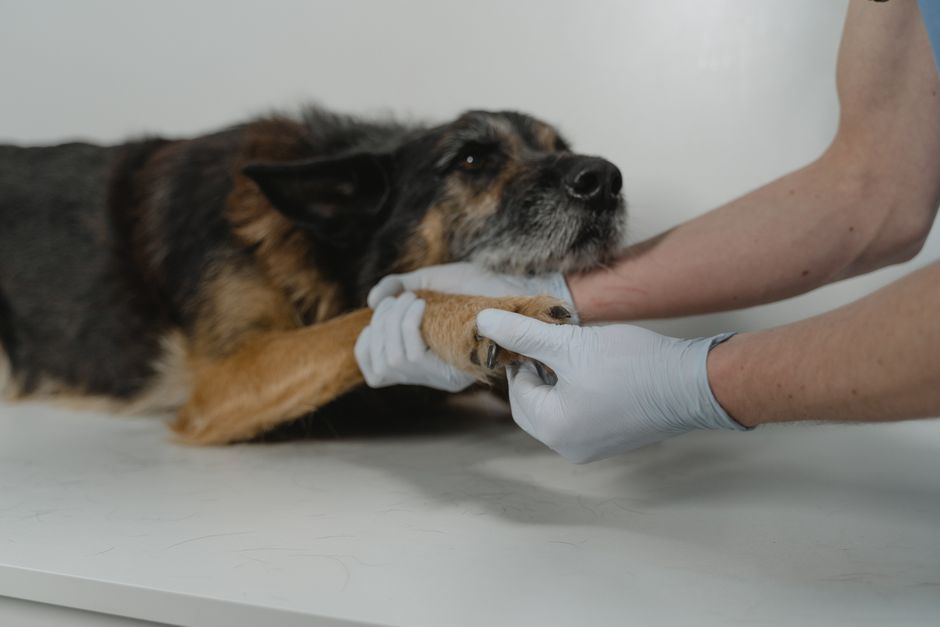
Pets often do their best to hide pain, so it is important to be alert to subtle changes in their movement and behavior. Key symptoms of orthopedic problems include limping or favoring one leg, stiffness after rest, reluctance to jump or climb stairs, and visible swelling around a joint. Additionally, some pets may have trouble rising from a lying position, tire quickly on walks, or yelp when touched near the affected area. In cats, signs can be more difficult to spot; you might notice your cat hesitating to leap up to their usual perch or spending more time resting than usual.
Other indicators that your pet may be experiencing orthopedic pain are licking or chewing at a limb, decreased interest in play, or sudden changes in temperament such as irritability or withdrawal. These signs can appear gradually or suddenly, depending on the underlying cause. If you observe any of these changes in your dog or cat, it is important to schedule an evaluation so our veterinary team can determine whether an orthopedic issue is present.
What Causes Orthopedic Conditions in Pets?
Orthopedic conditions in dogs and cats can arise from a variety of causes. Traumatic injuries such as fractures, ligament tears, or dislocations are common in active pets and can occur from falls, accidents, or rough play. Chronic problems like osteoarthritis often develop over time due to age, breed predisposition, or previous injuries that did not heal properly. Certain breeds are also more likely to be affected by conditions such as hip dysplasia, patellar luxation, or cruciate ligament tears.
In cats, orthopedic issues may result from high jumps or falls, especially in older or less agile felines. Obesity is another contributing factor, as excess weight puts additional stress on joints and can accelerate the progression of degenerative conditions. Some pets may be born with congenital orthopedic abnormalities that require attention as they grow. Regardless of the cause, early identification and intervention can make a significant difference in your pet’s comfort and long-term mobility.
Orthopedic Surgery Options at Harmony Road Veterinary Clinic
When medical management such as rest, pain medication, or physical therapy does not resolve your pet’s orthopedic problem, surgery may be the best path to restoring their health. At Harmony Road Veterinary Clinic, we offer a wide range of orthopedic procedures tailored to the unique needs of each patient. Our services include advanced diagnostics, such as digital radiology, to accurately pinpoint the source of pain and plan the most effective treatment.
Common Orthopedic Surgeries for Dogs and Cats
Some of the most frequently performed orthopedic surgeries at our clinic include cruciate ligament repair (such as TPLO surgery), patellar luxation correction, femoral head ostectomy (FHO), and fracture repair. TPLO surgery is often recommended for dogs with cranial cruciate ligament (CCL) tears, a leading cause of hind limb lameness. Patellar luxation surgery addresses kneecap instability, which is common in small-breed dogs and can lead to chronic pain if left untreated. FHO surgery is used to address severe hip joint issues, particularly in cases of hip dysplasia or trauma.
If your pet is diagnosed with a ligament injury or joint abnormality, our veterinary team will discuss the specific surgical options and answer all your questions about the procedure, risks, and expected outcomes. You can learn more about the procedures we offer, including TPLO surgery, MPL surgery, and FHO surgery, by visiting our orthopedic services page.
What to Expect Before, During, and After Surgery
Once surgery is recommended, we will begin with a thorough pre-surgical evaluation, including bloodwork and diagnostic imaging, to ensure your pet is a good candidate for anesthesia and the planned procedure. On the day of surgery, your pet will be closely monitored by our experienced veterinary professionals from induction through recovery. Pain management and safety are always our top priorities.
After surgery, your dog or cat will need time to heal. Recovery protocols vary depending on the procedure, but most pets require restricted activity, controlled leash walks, and close monitoring for signs of swelling, infection, or discomfort. Our team will provide detailed instructions for home care, including wound care, medication administration, and when to return for rechecks or suture removal. Physical rehabilitation exercises, either at home or in collaboration with a rehabilitation specialist, can also help speed your pet’s return to normal function.
Supporting Your Pet’s Recovery at Home
Your role in your pet’s recovery is essential. Following surgery, it is important to keep your pet in a safe, quiet environment and prevent jumping, running, or rough play for the duration recommended by our veterinarians. For dogs, using a crate or small room can help limit movement, while cats may benefit from a cozy enclosure with easy access to food, water, and a litter box. Administer all prescribed medications on schedule, and watch for signs of pain, swelling, or decreased appetite.
Encouragement and gentle affection can help your pet feel secure during recovery. Be patient if they seem frustrated by activity restrictions; gradual, supervised exercise will be reintroduced as healing progresses. Follow-up appointments are crucial to monitor healing and adjust the care plan as needed. If you ever feel unsure about your pet’s progress or notice signs of discomfort, do not hesitate to reach out to our veterinary team for guidance.
When to Seek Veterinary Care for Orthopedic Issues
Some orthopedic problems can be managed with rest and medication, but others require prompt surgical intervention to prevent long-term damage or chronic pain. You should contact our clinic if your dog or cat is experiencing persistent lameness, swelling, or inability to bear weight on a limb. Sudden, severe pain, loss of function, or visible deformity are emergencies that need immediate attention. In cases where your pet’s mobility is gradually declining or they seem increasingly uncomfortable despite home care, an evaluation can determine if surgery is the next best step.
Our compassionate veterinary professionals are here to support you at every stage, from initial diagnosis to post-operative care. Early intervention leads to better outcomes and a quicker return to your pet’s happy, active life.
Why Choose Harmony Road Veterinary Clinic for Orthopedic Care?
Choosing the right veterinary team for your pet’s orthopedic surgery is an important decision. At Harmony Road Veterinary Clinic, we combine advanced techniques with a personalized approach that puts your pet’s comfort and your peace of mind first. Our commitment to ongoing education and the latest surgical advancements ensures your dog or cat receives the highest standard of care in Fort Collins and surrounding communities.
Our veterinary team takes time to explain each step of the process, answer your questions, and tailor recovery recommendations to fit your family’s routine. We also offer access to an on-site diagnostic laboratory for timely test results and telehealth consultations for follow-up questions when an in-person visit is not convenient.
Take the Next Step Toward Restoring Your Pet’s Mobility
If you are concerned about your pet’s mobility or have been told your dog or cat may need orthopedic surgery, we invite you to schedule an appointment with our caring team at Harmony Road Veterinary Clinic. We are committed to helping your pet regain comfort and function through every stage of the orthopedic journey, from diagnosis to recovery. Whether you are searching for a trusted "vet near me" or seeking a second opinion about surgical options, our veterinarians in Fort Collins are here to help.
To learn more about our orthopedic care services or to schedule a consultation, contact us at (970) 631-8199 or visit our conveniently located clinic at 309 W. Harmony Road, Fort Collins, CO 80526. Our compassionate veterinary professionals look forward to supporting you and your pet every step of the way toward a healthier, happier future.
This blog is intended for informational purposes only and does not replace professional veterinary advice. Always consult your veterinarian for specific recommendations regarding your pet’s health or treatment.