October Dental Health Checklist for Cats and Dogs
October Dental Health Checklist for Cats and Dogs
As the crisp October air settles over Fort Collins, many pet owners are busy enjoying the fall season with their cats and dogs. However, while autumn brings its own joys, it can also be a time when dental issues in pets quietly worsen beneath the surface. If you have noticed your cat or dog’s breath turning less than pleasant or if you are unsure whether your pet’s teeth are truly healthy, now is the perfect time for a dental wellness checkup. At Harmony Road Veterinary Clinic, located at 309 W. Harmony Road, Fort Collins, CO 80526, our compassionate veterinary team is dedicated to helping you understand, prevent, and treat dental disease in your furry companions. In this blog, we will guide you through the essential October dental health checklist for cats and dogs, helping you recognize early warning signs, understand the importance of dental care, and learn how professional services like pet dental cleanings can make a difference for your pet’s health and comfort.
Recognizing Early Signs of Dental Disease in Cats and Dogs
Many pet owners are surprised to learn that dental disease is one of the most common health problems affecting cats and dogs. The early stages are often subtle, so it is important to recognize the signs before more serious problems develop. Symptoms of dental disease in pets include persistent bad breath, yellow or brown tartar buildup on the teeth, red or swollen gums, and reluctance to chew or eat hard foods. Additionally, you might notice your pet pawing at their mouth, dropping food while eating, or displaying changes in behavior such as irritability or withdrawal. More advanced cases can involve loose or missing teeth, bleeding from the mouth, and even visible pus along the gumline. If you spot any of these signs, it is time to take a closer look at your pet’s dental health and consider scheduling a wellness examination to catch problems early.
Why Dental Disease Can Go Unnoticed
Unlike people, cats and dogs rarely complain about mouth pain. Many pets continue eating and acting normally even when they are suffering from significant dental discomfort. This ability to hide pain means that dental disease can progress undetected for months or even years. By taking a proactive approach and checking your pet’s mouth regularly for bad breath, changes in gum color, or visible tartar, you can catch issues before they become severe.
Understanding the Causes of Dental Disease in Pets
Dental disease in cats and dogs generally starts with the accumulation of plaque, a sticky film of bacteria and food particles. Over time, plaque hardens into tartar, which irritates the gums and leads to inflammation known as gingivitis. If left untreated, the infection can progress deeper into the tissues, causing periodontal disease. This can result in tooth loss, pain, and even systemic infections affecting the heart, liver, or kidneys.
Contributing factors for dental disease include age, breed, diet, and overall oral hygiene. Smaller dog breeds and certain flat-faced cats are particularly prone to dental problems because of crowded teeth and shallow mouths. Feeding mostly soft foods, genetic predispositions, and lack of routine dental care at home can all accelerate plaque buildup. In Fort Collins and similar climates, pets may spend more time indoors during colder months, sometimes leading to less chewing on dental-friendly toys or treats that help keep teeth clean.
The Impact of Untreated Dental Disease
Unchecked dental disease does not just affect your pet’s mouth; it can have far-reaching effects on their overall health. Bacteria from the mouth can enter the bloodstream, potentially leading to infections in organs such as the heart (endocarditis) or kidneys. Chronic pain from dental disease can also cause changes in eating habits, weight loss, and a decline in quality of life. Early detection and intervention are key to protecting your pet’s wellbeing.
Professional Dental Care: What to Expect at Harmony Road Veterinary Clinic
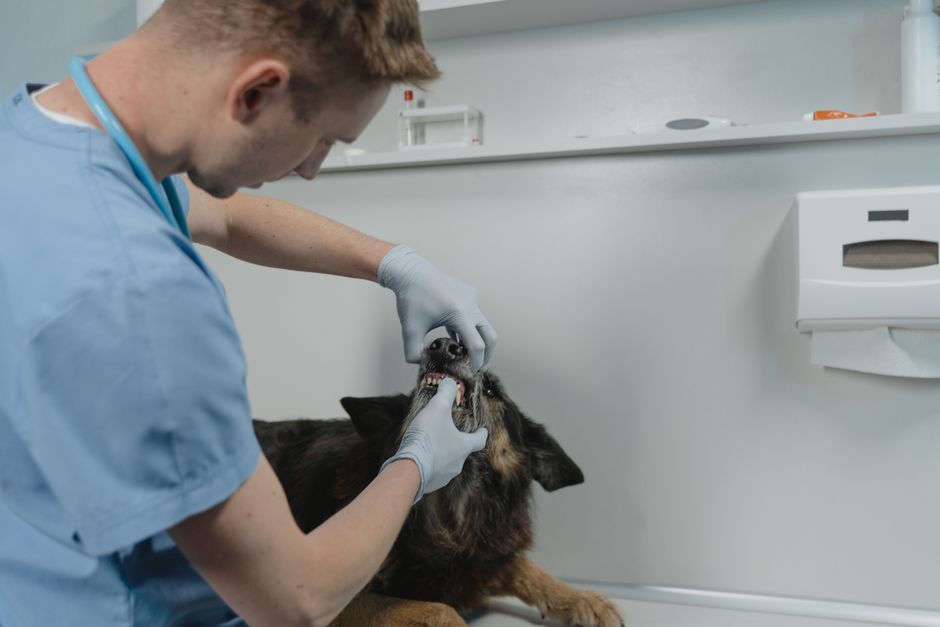
When you bring your cat or dog to Harmony Road Veterinary Clinic for a dental evaluation, our veterinary team will perform a thorough oral examination to assess the health of the teeth and gums. If dental disease is suspected, we may recommend diagnostic tools such as dental radiography to get a complete picture of what is happening beneath the gumline. Dental x-rays allow us to detect hidden problems like abscesses, bone loss, or fractured roots that cannot be seen during a visual exam.
Professional pet dental cleanings under anesthesia are the gold standard for removing plaque and tartar, especially below the gumline where toothbrushes and chews cannot reach. Our team uses specialized dental instruments to carefully clean each tooth, polish the enamel, and address any problem areas. If damaged or infected teeth are found, we offer pet tooth extractions and oral surgery to relieve pain and restore comfort. Our veterinarians prioritize your pet’s safety and comfort throughout the entire process, using advanced monitoring and tailored pain management plans.
Safety and Comfort During Dental Procedures
Some pet owners worry about anesthesia, but it is necessary for a thorough and pain-free cleaning. At Harmony Road Veterinary Clinic, we take every precaution to ensure your pet’s safety, including pre-anesthetic bloodwork, careful monitoring, and individualized anesthesia protocols. Most pets recover quickly and are back to their normal routines within a day or two, often with noticeably fresher breath and improved energy.
At-Home Dental Care: Steps to Keep Your Pet’s Smile Healthy
Although professional dental cleanings are crucial, there is plenty you can do at home to maintain your cat or dog’s oral health between visits. Brushing your pet’s teeth daily with a pet-safe toothbrush and toothpaste is the most effective way to prevent plaque buildup. If daily brushing is not possible, aim for several times a week. Dental treats, chews, and specially formulated diets can also help reduce tartar. Choose products that carry the Veterinary Oral Health Council (VOHC) seal, indicating they meet standards for effectiveness.
Regularly inspecting your pet’s mouth for signs of trouble is another important habit. Look for changes in breath odor, gum color, and eating behavior. Providing safe chew toys can help mechanically clean teeth, especially for dogs; just be sure to avoid very hard objects that could crack teeth. For cats, dental treats and textured toys designed for oral health can provide some benefit.
Making Dental Care a Positive Experience
Introduce tooth brushing gradually, using praise and gentle handling to help your pet feel comfortable. Many cats and dogs learn to enjoy the routine, especially when rewarded with a favorite treat or extra affection afterward. If you have questions about products or techniques, our veterinary professionals are happy to provide demonstrations and recommendations during your pet’s next visit.
When to Schedule a Professional Dental Visit
While home care is essential, some dental problems require professional attention. You should schedule a veterinary dental exam if you notice persistent bad breath, visible tartar, red or bleeding gums, loose or broken teeth, swelling along the jawline, difficulty eating, or changes in your pet’s mood or activity level. These signs may indicate advanced dental disease that cannot be resolved with at-home care alone.
Even if your pet seems healthy, annual dental checkups are recommended for most cats and dogs. Some pets, especially those with a history of dental issues or breeds prone to oral problems, may benefit from more frequent visits. By working with our team at Harmony Road Veterinary Clinic, you can create a personalized dental prevention plan that fits your pet’s specific needs.
Why Choose Harmony Road Veterinary Clinic for Your Pet’s Dental Health?
At Harmony Road Veterinary Clinic, we believe every pet deserves a healthy, pain-free smile. Our team of veterinarians is committed to providing comprehensive dental care for cats and dogs in Fort Collins and surrounding communities. We offer advanced diagnostics such as dental radiography, safe and effective pet dental cleanings, and compassionate support for every stage of your pet’s oral health journey. By investing in regular dental care, you are protecting your pet’s comfort, longevity, and quality of life.
If you have noticed any changes in your pet’s breath, eating habits, or mouth appearance, or if it has been more than a year since their last dental checkup, now is the ideal time to schedule an appointment. Our team is here to answer your questions, provide tailored recommendations, and help your furry friend enjoy autumn with a brighter, healthier smile.
Your October Dental Checklist: Take Action Today
As you celebrate the fall season with your pets, do not let dental disease go unnoticed. Regularly check your cat or dog’s mouth for early warning signs, practice consistent oral hygiene at home, and partner with your local veterinary professionals for comprehensive exams and cleanings. If you are searching for a veterinarian near me in Fort Collins who puts your pet’s dental health first, Harmony Road Veterinary Clinic is here to help you every step of the way.
To schedule your pet’s dental assessment or to learn more about our dental services, contact our team at (970) 631-8199 or visit us at 309 W. Harmony Road, Fort Collins, CO 80526. You can also explore our pet dental cleaning services and schedule a wellness examination to support your pet’s overall health. Let us work together to keep your pet’s smile healthy all year long.
Medical Disclaimer: This blog is for informational purposes only and does not replace professional veterinary advice. Always consult your veterinarian for specific concerns regarding your pet’s dental health.