Keeping Your Dog Safe During August Thunderstorms
Keeping Your Dog Safe During August Thunderstorms
August in Fort Collins often means rolling afternoon thunderstorms, booming skies, and sudden downpours. While these late-summer storms can be refreshing, they can also bring real anxiety and safety risks for dogs across the area. At Harmony Road Veterinary Clinic, located at 309 W. Harmony Road, Fort Collins, CO 80526, we understand how storm season can impact your dog’s wellbeing. From increased anxiety to the potential for accidents or escape, it’s important to know how to help your dog feel secure and prevent harm during these unpredictable summer storms.
In this blog, we’ll walk you through recognizing the signs of thunderstorm anxiety, understand why storms can be so stressful for dogs, and outline both at-home and professional strategies for keeping your dog calm and safe. If your dog needs extra support, our veterinary team is here to provide compassionate guidance, personalized care, and even same-day appointments. Let’s ensure your furry friend can weather every storm with confidence and comfort.
Recognizing Thunderstorm Anxiety and Safety Risks in Dogs
Not every dog reacts to storms in the same way, but many display clear signs of distress as thunder and lightning approach. Recognizing the specific symptoms of storm anxiety is the first step in helping your dog cope and stay safe.
Common signs of thunderstorm anxiety in dogs include pacing, trembling, whining, barking, or hiding under furniture. Some dogs may pant excessively, drool, or seek constant reassurance from their owners. Other behaviors can be more dramatic, such as destructive chewing, scratching at doors or windows, or even attempting to escape the house or yard. In some cases, dogs may have accidents indoors or refuse to eat.
The risks during a storm go beyond emotional distress. Dogs with high anxiety may injure themselves trying to hide or escape, or bolt from the yard if startled by a loud clap of thunder. These scenarios can quickly become emergencies, especially near busy roads or unfamiliar surroundings. Accidental ingestion of objects, minor injuries, or damage to teeth and nails from frantic digging or chewing are also concerns that pet owners should not overlook.
If you notice any of these behaviors during storms, your dog may be experiencing significant thunderstorm anxiety. Recognizing these signs early allows you to intervene before your dog’s fear escalates or leads to potential accidents.
Why Dogs Fear Thunderstorms: Understanding the Causes
Thunderstorm anxiety in dogs is a complex issue, but several factors make these weather events particularly stressful for our canine companions.
The most obvious triggers are the loud, unpredictable noises of thunder and the flashes of lightning. Dogs have more sensitive hearing than humans, so the intensity of these sounds can be overwhelming. Sudden changes in barometric pressure, static electricity, and even the scent of rain or ozone may also contribute to a dog’s sense of unease.
Some dogs develop storm phobia after a single traumatic experience, such as being caught outside during a particularly violent storm. Others may gradually become more anxious with each exposure, especially if their fear is unintentionally reinforced by worried owners. Certain breeds, particularly herding or working breeds, appear to be more prone to noise sensitivity and storm anxiety, but any dog can be affected.
It’s important to note that thunderstorm anxiety is not a sign of weakness or poor training. It is a true emotional response that can have a significant impact on a dog’s quality of life if not addressed with understanding and the right strategies.
Professional Treatment Options for Dogs with Storm Anxiety
If your dog consistently struggles during storms, seeking professional veterinary support is a wise step. At Harmony Road Veterinary Clinic, we offer a variety of solutions tailored to your dog’s specific needs, ensuring their safety and emotional wellbeing.
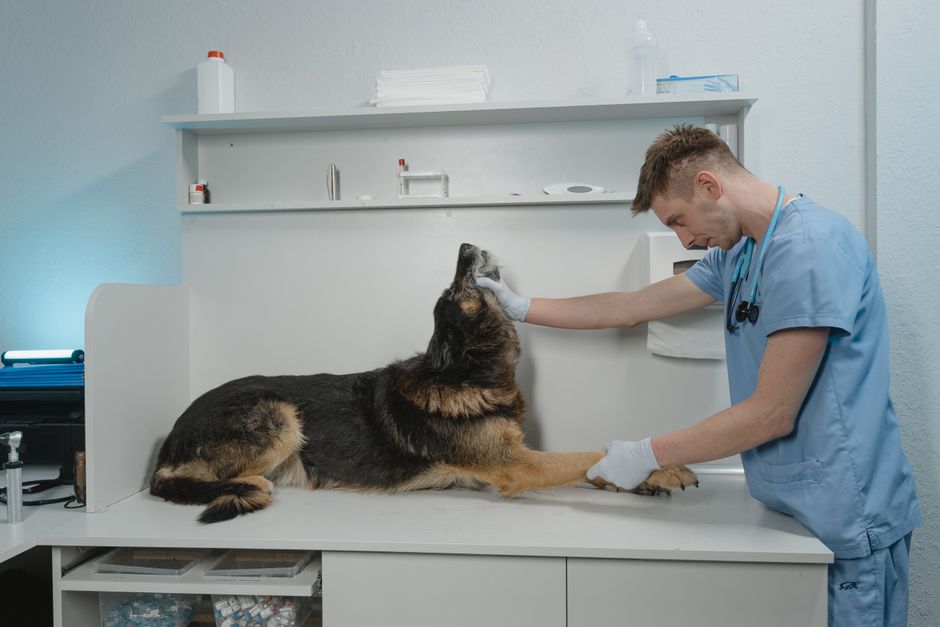
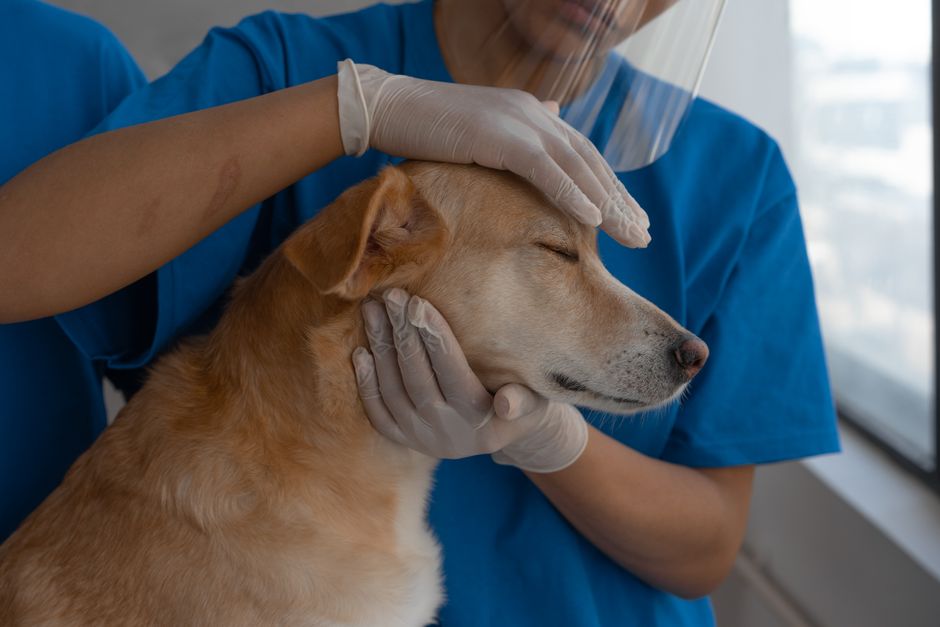
The first step is a comprehensive evaluation to rule out any underlying health conditions that might be contributing to anxiety. During a wellness examination, our veterinarians can help determine the severity of your dog’s anxiety, discuss your observations, and recommend an individualized plan.
Treatment options for thunderstorm anxiety typically involve a combination of behavioral modification and, in moderate to severe cases, medical support. Techniques such as desensitization and counterconditioning can help your dog gradually become less reactive to the sights and sounds of storms. This process involves controlled exposure to storm noises at a low volume and rewarding calm behavior, with the goal of reducing the emotional response over time.
For some dogs, prescription anti-anxiety medications or natural supplements may be necessary, especially during peak storm season. Our veterinary team can guide you through safe and effective options, discuss possible side effects, and monitor your dog’s progress. In certain cases, tools like anti-anxiety wraps or pheromone diffusers can provide additional comfort alongside behavioral therapy.
It’s important to remember that thunderstorm anxiety is a medical concern, and any treatment plan should be developed with your veterinarian’s input to ensure both safety and success.
At-Home Strategies to Keep Your Dog Calm and Safe
Many pet owners can help their dogs manage thunderstorm anxiety and avoid accidents using practical steps at home. Creating a safe, cozy space for your dog to retreat to during storms is often helpful. This could be a quiet room with covered windows, a crate with a favorite blanket, or even a closet where outside sounds are muffled. Playing calming music or white noise can help drown out the sounds of thunder and provide a sense of normalcy.
Some dogs benefit from wearing snug-fitting anti-anxiety wraps, which apply gentle, constant pressure and can promote relaxation. Offering your dog a favorite toy or treat can also provide distraction and positive association during storms.
It’s important to stay calm yourself; dogs are highly attuned to their owners’ emotions, and your own anxiety may unintentionally reinforce their fear. Avoid scolding or punishing anxious behaviors, as this can increase distress. Instead, reward calm behavior and provide gentle reassurance without over-coddling.
Keeping your dog indoors during storms is essential for their safety. Ensure all doors, windows, and pet doors are securely closed, and double-check your dog’s collar and ID tags in case they do slip outside. If you know a storm is approaching, plan potty breaks accordingly to minimize the need for outdoor trips during dangerous conditions.
Taking these proactive steps can go a long way in helping your dog feel safe, but if anxiety persists or worsens, professional guidance is invaluable.
When to Seek Veterinary Care for Thunderstorm Anxiety
While mild anxiety can often be managed with at-home strategies, certain situations require veterinary attention. If your dog’s fear leads to destructive behavior, self-injury, or escape attempts, or if they seem unable to settle for prolonged periods, it’s time to consult with a veterinarian. The same is true if your dog stops eating, has frequent accidents indoors, or if their anxiety worsens with each storm.
At Harmony Road Veterinary Clinic, our veterinary team is equipped to assess your dog’s needs and create a supportive care plan. In some cases, severe anxiety may be a sign of an underlying medical issue, such as cognitive decline in senior dogs, which also warrants professional evaluation.
If your dog experiences a storm-related injury or accident, contact us promptly so we can provide timely care and prevent complications. Our urgent care services are available for pets who need immediate attention for injuries or acute distress.
Remember, you never need to navigate your dog’s storm anxiety alone. With compassionate support and expert guidance, your dog can face storm season with greater confidence and security.
Supporting Your Dog Through Storm Season in Fort Collins
Thunderstorm anxiety is a common challenge for dogs in Fort Collins and surrounding communities, but with the right knowledge and support, you can help your dog feel safer and more comfortable during August’s unpredictable weather. By recognizing the signs of anxiety, creating a secure environment, and partnering with our veterinary professionals, you are taking important steps to protect your dog’s wellbeing.
If you are searching for a veterinarian near me who understands both the emotional and physical challenges storms can bring to your dog, Harmony Road Veterinary Clinic is here to help. Our team, led by Dr. Jordan Dewing, offers same-day appointments, personalized care plans, and a commitment to your dog’s lifelong health and happiness. Schedule a wellness examination or call us at (970) 631-8199 for advice, support, or to discuss treatment options tailored to your dog’s needs.
Let’s work together to ensure your dog feels safe, calm, and secure, no matter what the Colorado sky has in store. Visit us at 309 W. Harmony Road, Fort Collins, CO 80526 or reach out to our veterinary team for the caring guidance your dog deserves this storm season.