Is Your Pet Breathing Fast? Symptoms to Watch

Is Your Pet Breathing Fast? Symptoms to Watch
When your pet’s breathing seems unusually quick or labored, it can be both alarming and confusing. Many pet owners in Fort Collins and surrounding communities have found themselves searching for answers about fast breathing in pets, wondering if it signals a minor issue or a true emergency. At Harmony Road Veterinary Clinic, located at 309 W. Harmony Road, Fort Collins, CO 80526, our compassionate veterinary team understands how distressing these moments can be.
This blog will help you recognize the signs of rapid breathing, explain potential causes, and guide you on when to seek professional help. We will also discuss what to expect during a veterinary visit and share practical tips to help you respond if your dog or cat is suddenly breathing fast. Whether you are new to the area or are searching for a trusted "vet near me" for urgent or preventive care, our team is here to support your pet’s health every step of the way.
If you notice concerning changes in your pet’s breathing, acting quickly can make all the difference. In this article, you will learn how to spot pet urgent care symptoms, understand the importance of veterinary diagnostics in Fort Collins, and know when to schedule an appointment for a comprehensive evaluation. For more information about how our urgent care services can support you and your pet, keep reading.
Recognizing Fast Breathing in Pets: What Are the Signs?
Understanding what is normal for your pet is the first step in identifying fast breathing in pets. Resting pets typically breathe quietly and steadily, so any visible change in their pattern is worth noting. Key symptoms include an increased respiratory rate, where your pet’s chest rises and falls faster than usual. For dogs, normal resting rates are generally between 15 and 30 breaths per minute, while cats usually take 20 to 30 breaths per minute. If you observe your pet breathing much faster, especially at rest, this may be a sign of trouble.
Other warning signs to watch for are open-mouth breathing in cats, pronounced movement of the belly or chest, flaring nostrils, and persistent panting that continues even when your pet is resting in a cool area. Some pets may appear restless or anxious, frequently changing positions in an attempt to get comfortable. In more severe cases, you might notice blue or pale gums, coughing, or wheezing. Rapid breathing is often accompanied by additional symptoms such as lethargy, loss of appetite, or a reluctance to move.
Pets in Fort Collins and surrounding communities sometimes experience breathing difficulties due to the region’s seasonal allergies or wildfire smoke. Always remember, if your pet’s breathing becomes labored, noisy, or if you see any signs of distress, it is best to err on the side of caution and seek veterinary advice. The sooner you recognize these pet urgent care symptoms, the better your chances of addressing a potential health issue before it becomes serious. Scheduling a wellness examination can also help catch subtle changes early.
What Causes Fast Breathing in Dogs and Cats?
Fast breathing in pets can be triggered by a variety of underlying conditions, ranging from benign to life-threatening. Understanding the possible causes can help you communicate effectively with your veterinarian and respond appropriately.
Common causes include heat and excitement, which may temporarily increase your pet’s breathing rate. However, persistent rapid breathing is often a sign of underlying medical issues. Respiratory infections, such as kennel cough in dogs or upper respiratory infections in cats, frequently lead to increased respiratory effort. Heart disease is another significant concern, as it can cause fluid accumulation in the lungs, making it harder for your pet to breathe. Lung conditions like pneumonia, asthma, or even allergic reactions to pollen and environmental irritants may also play a role.
Other causes to consider are pain, particularly after surgery or injury, and metabolic issues such as anemia or diabetic complications. In Colorado, altitude changes and seasonal air quality can also impact how easily pets breathe, especially those with pre-existing heart or lung conditions. Additionally, certain toxins, medications, or even foreign objects lodged in the airway may contribute to fast breathing in pets.
If your pet is recovering from recent surgery or has been diagnosed with a chronic condition, your veterinarian in Fort Collins can provide specific advice tailored to their needs. Regardless of the cause, any sustained change in breathing pattern warrants a thorough examination by a veterinary professional.
Diagnosing and Treating Fast Breathing in Pets: What to Expect
When you bring your pet to Harmony Road Veterinary Clinic for fast breathing, our veterinary team will perform a comprehensive evaluation to determine the underlying cause. The process usually begins with a detailed history, so be prepared to share when you first noticed the changes, any recent activities, and any related symptoms such as coughing, sneezing, or lethargy.
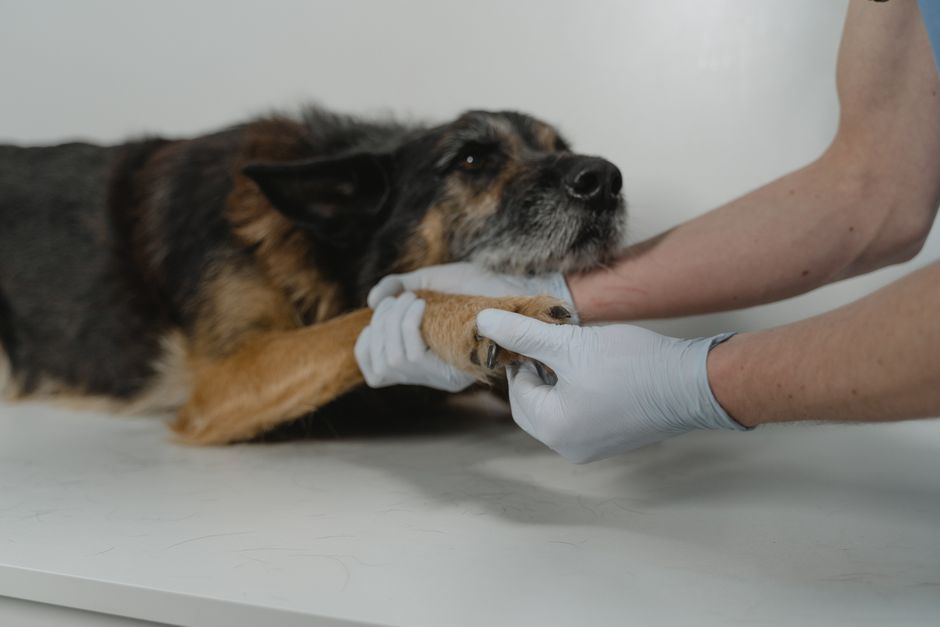
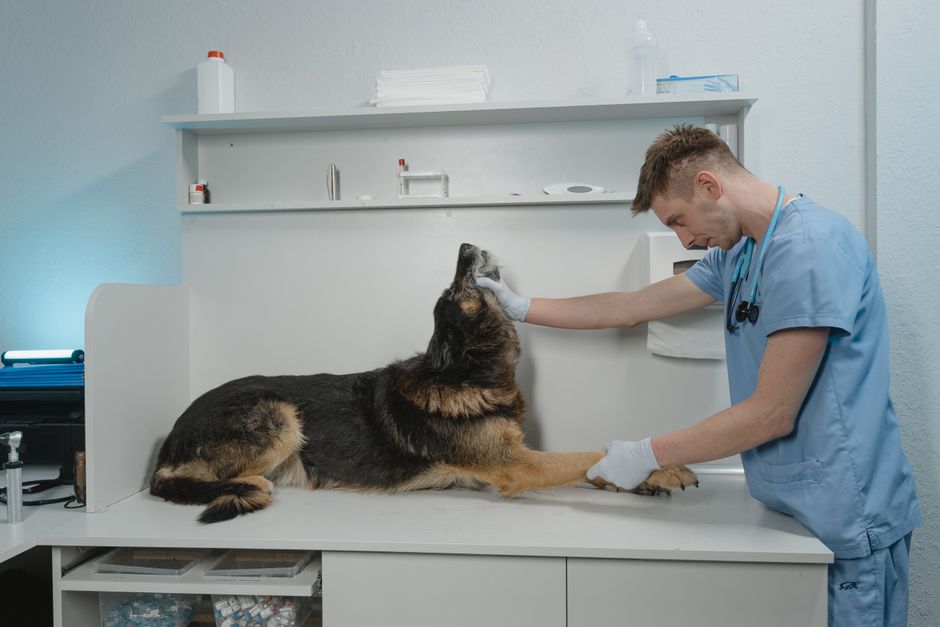
A physical examination is the cornerstone of diagnosis. During this visit, our veterinarians will carefully observe your pet’s breathing, listen to their heart and lungs with a stethoscope, and check for any signs of pain or distress. Depending on what they find, further diagnostics may be recommended. These might include digital radiology, which provides detailed images of your pet’s chest and lungs, or testing through our in-house pet diagnostic laboratory for bloodwork and infection screening.
Treatment approaches involve addressing the root cause. For infections, your pet may receive antibiotics or other targeted medications. Heart disease may require specific management plans, including medication to reduce fluid buildup and support heart function. If allergies or asthma are identified, your veterinarian may prescribe anti-inflammatory medications or recommend lifestyle adjustments to minimize exposure to triggers in Fort Collins. In severe cases, hospitalization for oxygen therapy or advanced monitoring may be necessary.
Throughout the treatment process, our veterinary professionals will keep you informed and involved, offering guidance on at-home monitoring and follow-up care. Our goal is to restore your pet’s comfort and quality of life while giving you peace of mind.
Home Care and Prevention: Keeping Your Pet Comfortable
While some causes of fast breathing in pets are unavoidable, there are proactive steps you can take to reduce risk and support your pet’s health. Regular wellness visits are essential, as they allow your veterinarian to monitor for early signs of heart, lung, or systemic disease. Staying up to date on vaccinations and parasite prevention is another vital component of respiratory health, especially in a region like Fort Collins where environmental factors can play a role.
At home, monitor your pet’s breathing and general demeanor. If you notice increased panting, coughing, or a sudden change in activity level, make note of these changes and contact your veterinarian. Keeping your home environment clean, using air purifiers during allergy season or wildfire events, and avoiding exposure to toxins or irritants can also help protect your pet’s respiratory system.
For pets with known health conditions, follow your veterinarian’s recommendations closely and maintain regular check-ups. Promptly address any changes, especially after surgical procedures or when introducing new medications. By remaining attentive and proactive, you can often catch issues before they become emergencies, ensuring your pet receives timely veterinary diagnostics in Fort Collins when needed.
When to Seek Veterinary Care: Understanding Urgent Symptoms
Knowing when to seek professional help is critical for your pet’s safety. Immediate veterinary attention is necessary if your pet is experiencing persistent rapid breathing that does not resolve with rest, shows signs of distress such as blue or pale gums, or appears weak and unresponsive. Additional red flags include open-mouth breathing in cats, noisy breathing, collapse, or visible trauma.
If you are ever unsure, it is always safer to schedule an appointment with your veterinarian. Harmony Road Veterinary Clinic offers same-day care for urgent cases, providing peace of mind when your pet’s condition changes suddenly. Our team of veterinarians is experienced in managing a range of pet urgent care symptoms, from acute respiratory issues to post-surgical complications.
For ongoing concerns, such as occasional coughing or mild increases in breathing rate, arranging a wellness examination can help determine if further investigation is needed. Our veterinary diagnostics in Fort Collins are designed to detect underlying conditions early, allowing for more effective treatment and better outcomes.
Remember, your intuition as a pet owner is valuable. If something feels off, do not hesitate to reach out for guidance. Our veterinary professionals are here to answer your questions and provide compassionate support throughout your pet’s health journey.
Your Local Partner for Pet Health in Fort Collins
When it comes to fast breathing in pets, timely action can make all the difference. Understanding the signs, knowing potential causes, and partnering with a trusted veterinary team are the best ways to support your pet’s wellbeing. Harmony Road Veterinary Clinic is dedicated to providing personalized, comprehensive care to pets in Fort Collins and surrounding communities. Whether your pet needs urgent attention or a routine check-up, our team is here to help.
If you are searching for a "vet near me" who combines advanced veterinary diagnostics in Fort Collins with genuine compassion, look no further. Schedule an appointment with our experienced veterinarians by calling (970) 631-8199 or visiting us at 309 W. Harmony Road, Fort Collins, CO 80526. If you have concerns about your pet’s breathing or need to discuss any pet urgent care symptoms, our urgent care services are always available to support you.
For ongoing wellness and preventive care, remember that early detection is key. Explore our digital radiology and diagnostic laboratory resources to learn how we can help keep your pet healthy. Your pet’s comfort and safety are always our top priorities; let us be your trusted partner in pet care for every stage of life.
This blog is intended for educational purposes only and does not substitute for professional veterinary advice. If your pet is experiencing severe or sudden symptoms, please contact your veterinarian immediately.