Dental Care for Dogs and Cats in Fort Collins
Dental Care for Dogs and Cats in Fort Collins
If you’ve noticed your dog or cat’s breath is less than pleasant lately, you’re not alone—many pet owners in Fort Collins and surrounding communities worry about their pet’s dental health, especially as summer winds down and routines shift. At Harmony Road Veterinary Clinic, our team of veterinarians understands how important a healthy mouth is for your pet’s comfort, happiness, and overall wellbeing. Dental disease is one of the most common health issues affecting dogs and cats, yet it often goes unrecognized until it causes real discomfort. In this guide, we’ll explore the signs of dental disease, why it develops, how professional veterinary dental care can make a difference, and what you can do at home to support your pet’s oral health. Our clinic, conveniently located at 309 W. Harmony Road in Fort Collins, offers comprehensive dental care for dogs and cats year-round, from routine cleanings to advanced oral surgery. Whether you’re concerned about your pet’s breath or simply want to keep their smile bright, we’re here to help you every step of the way.
Recognizing Dental Disease in Dogs and Cats
It’s easy to overlook dental issues in pets, since most dogs and cats are experts at hiding discomfort. However, dental disease can cause significant pain, affect eating habits, and even impact other organs if left untreated. Common signs of dental problems include persistent bad breath, yellow or brown buildup on teeth, red or swollen gums, and visible tartar. You might also notice your pet dropping food, pawing at their mouth, avoiding chew toys, or showing reluctance to eat crunchy kibble. In some cases, pets may develop loose or broken teeth, drool excessively, or bleed from the mouth. Behavioral changes, such as increased irritability or withdrawal, can sometimes be linked to oral discomfort as well.
Cats, in particular, may show subtle changes like grooming less often or tilting their head when eating, while small breed dogs are especially prone to tartar buildup and gum disease. Regularly checking your pet’s mouth and paying attention to changes in appetite or behavior can help you spot dental problems early. If you notice any of these warning signs, it’s important to schedule a dental evaluation with our veterinary team to prevent further complications.
Why Dental Disease Happens: Understanding the Causes
Dental disease in pets usually starts with plaque—a sticky film of bacteria that forms on teeth after eating. If not removed through regular brushing or professional cleanings, plaque hardens into tartar, which irritates the gums and leads to inflammation known as gingivitis. Over time, untreated tartar and gingivitis allow bacteria to invade deeper tissues, causing periodontal disease. This condition can result in painful tooth loss, oral infections, and even damage to the heart, kidneys, or liver as bacteria spread through the bloodstream.
Several factors can increase the risk of dental disease in dogs and cats. Age is a major consideration, since dental issues become more common as pets get older. Small breeds, flat-faced dogs, and certain cats are more likely to suffer from dental problems due to the shape of their jaws and crowded teeth. Diet also plays a role—pets fed primarily soft foods may develop tartar more quickly than those who eat dry kibble or chew on dental treats. Genetics, underlying health conditions, and a lack of regular dental care all contribute to the development of dental disease.
The dry Colorado climate can further impact your pet’s oral health, as decreased humidity may lead to drier mouths, reducing the natural cleansing effect of saliva. That’s why preventive care is especially important for dogs and cats living in the Fort Collins area.
Professional Dental Care: What to Expect at Harmony Road Veterinary Clinic
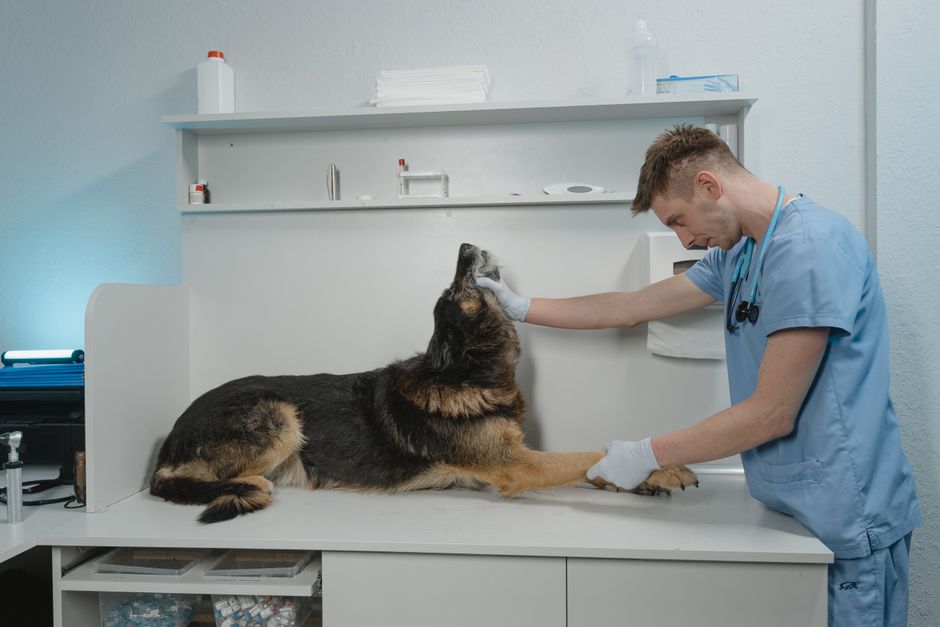
When it comes to keeping your pet’s mouth healthy, professional veterinary dental care is the gold standard. At Harmony Road Veterinary Clinic, we offer comprehensive dental services tailored to your dog or cat’s unique needs. During a dental evaluation, our veterinarians thoroughly examine your pet’s mouth, teeth, and gums for signs of disease. We often recommend dental radiographs to assess the health of tooth roots and jawbones, as many dental problems are hidden below the gum line.
If your pet needs a cleaning, our team will perform a complete dental cleaning under anesthesia to ensure their comfort and safety. This process involves scaling away tartar and plaque both above and below the gum line, polishing teeth to reduce future buildup, and carefully inspecting each tooth for problems. If we find damaged or infected teeth, we may recommend pet tooth extractions or other treatments to relieve pain and restore oral health. Our clinic also provides pet oral surgery for more complex cases, such as fractured teeth or oral tumors.
Throughout every procedure, we use advanced monitoring and pain management protocols to keep your pet safe and comfortable. After the cleaning, our veterinarians will discuss a customized home care plan and answer any questions you may have about maintaining your pet’s oral health.
Why Anesthesia Is Important for Dental Cleanings
Many pet owners wonder why anesthesia is needed for dental cleanings. The reality is, a thorough dental cleaning requires cleaning below the gum line, where most dental disease occurs. Pets cannot be expected to remain still or tolerate the discomfort of scaling and probing while awake. Anesthesia allows our veterinary team to safely and effectively remove tartar and examine each tooth, minimizing stress and ensuring a comprehensive procedure.
At-Home Dental Care: Steps for a Healthier Pet Smile
While professional care is essential, what you do at home plays a huge role in preventing dental disease between visits. Brushing your pet’s teeth is the most effective way to reduce plaque and tartar buildup. Using a soft-bristled pet toothbrush and veterinary-approved toothpaste, aim to brush your dog or cat’s teeth daily or as often as possible. Introducing brushing gradually, with plenty of praise and gentle handling, helps your pet develop a positive association with the process.
Dental diets, treats, and chews can also help reduce tartar, but it’s important to choose products that carry the Veterinary Oral Health Council (VOHC) seal for proven effectiveness. Water additives and oral rinses may offer additional benefits, especially for pets who resist brushing. Regularly inspecting your pet’s mouth for changes in breath, gum color, or tooth appearance can help you catch issues early.
Keep in mind that even the best at-home care cannot replace professional cleanings. Scheduling annual dental evaluations and pet dental cleanings at Harmony Road Veterinary Clinic ensures your pet receives the thorough attention needed for lifelong oral health.
When to Schedule a Veterinary Dental Visit
It’s important to know when your pet needs a professional dental checkup. You should schedule an appointment if you notice persistent bad breath, visible tartar, red or bleeding gums, loose or broken teeth, swelling around the mouth, or changes in eating habits. Additionally, sudden reluctance to chew, facial swelling, or discharge from the nose or mouth may indicate more serious issues requiring prompt attention.
Even if your pet seems comfortable, annual dental exams are recommended for all adult dogs and cats. Puppies and kittens benefit from early dental assessments to identify developmental issues, while senior pets may need more frequent monitoring due to their increased risk of dental disease. Routine dental care not only prevents pain and tooth loss but can also reduce the risk of secondary health problems linked to oral bacteria.
Our veterinary team at Harmony Road Veterinary Clinic is here to answer your questions and provide guidance on the best dental care plan for your pet. We encourage you to reach out whenever you have concerns about your dog or cat’s oral health.
Supporting Your Pet’s Dental Health Year-Round
Maintaining good dental hygiene is one of the best ways to support your pet’s overall wellbeing. By recognizing the signs of dental disease, understanding what causes it, and partnering with your veterinarian for routine care, you can help your dog or cat enjoy a healthier, happier life. At Harmony Road Veterinary Clinic, we believe that every pet deserves a comfortable, pain-free mouth and a bright smile to match.
If you’re searching for a "vet near me" in Fort Collins who truly prioritizes your pet’s dental health, our compassionate veterinary professionals are ready to help. Whether you need a dental evaluation, professional cleaning, advanced dental imaging, or expert advice on home care, we’re committed to providing personalized solutions for your family. To schedule an appointment or learn more about our dental services, call us today at (970) 631-8199 or visit our clinic at 309 W. Harmony Road, Fort Collins, CO 80526. Your pet’s comfort and health are our top priorities—let us help keep their teeth and gums in the best shape possible.
For additional information on specific dental procedures, explore our pages on dental radiographs, pet oral surgery, pet tooth extractions, and pet dental cleanings. Remember, healthy teeth mean a happier pet—reach out to our team today for expert dental care you can trust.