Cold Weather Hazards for Pets: Late Fall Safety Tips
Cold Weather Hazards for Pets: Late Fall Safety Tips
As the crisp air of late fall settles over Fort Collins and surrounding communities, keeping your pets safe becomes even more important. At Harmony Road Veterinary Clinic, our team of veterinarians understands how the seasonal changes in Colorado can introduce new risks for your cats and dogs. With temperatures dropping and winter just around the corner, your furry companions face threats such as frostbite, icy walkways, and increased exposure to toxins like antifreeze and de-icing salts. Whether you are out for a brisk walk in your neighborhood or letting your pet explore the backyard, cold weather pet safety should always be a top priority during this time of year.
This guide covers the most common fall pet hazards in Fort Collins and offers practical steps you can take to protect your pets from harm. You will learn how to recognize early warning signs of cold-related issues, discover simple prevention strategies, and understand when to seek veterinary care for conditions like hypothermia or toxic exposures. If you are looking for a "vet near me" who truly cares about your pet’s wellbeing, our veterinary professionals at Harmony Road Veterinary Clinic are here to help. To ensure your pet is in top shape for winter, consider scheduling a wellness examination to address any underlying health concerns before the coldest months arrive.
Spotting Cold Weather Hazards: How to Identify Problems Early
When it comes to cold weather pet safety, early recognition of problems can make all the difference. As the temperature falls, pets can experience a range of issues that may not be immediately obvious. Dogs and cats may shiver, seek shelter, or become less active outdoors. In some cases, you might notice your pet limping after a walk on icy pavement or attempting to lick at their paws more frequently.
Key symptoms of cold-related hazards include persistent shivering, reluctance to go outside, whining or vocalization, and visible discomfort when walking on cold or rough surfaces. In more severe cases, frostbite can develop, particularly on the ears, tail, or paw pads. Frostbite signs include pale, hard, or swollen skin in these areas. Hypothermia can also occur if your pet is exposed to cold temperatures for too long; symptoms include lethargy, weakness, shallow breathing, and a slow heart rate.
Another common hazard during late fall in Fort Collins is the ingestion of toxic substances such as antifreeze or ice-melting chemicals. Pets might display vomiting, drooling, staggering, or sudden changes in behavior if they have ingested something harmful. Additionally, some pets develop skin irritation or redness between the toes after walking on sidewalks treated with salt or de-icers. Recognizing these warning signs promptly allows you to act quickly and minimize harm.
Why Do Cold Weather Hazards Occur? Understanding the Risks in Fort Collins
Cold weather pet safety is a significant concern in Fort Collins due to our region’s fluctuating temperatures and frequent snowfalls. The main risk factors for pets during late fall and winter include exposure to freezing conditions, slippery walkways, and common household toxins used to combat ice and snow.
Many pets, especially those with short coats, thin body condition, or underlying medical issues, struggle to maintain their body temperature when outdoors. Even brief exposure to cold, damp weather can lead to hypothermia in sensitive animals. Icy conditions increase the risk of slips, falls, and soft-tissue injuries, particularly for older pets or those with orthopedic concerns. For example, a senior dog with arthritis may find it even harder to navigate stairs or sidewalks coated in ice, making injury more likely.
Antifreeze poses a unique hazard in the Fort Collins area as well. This substance is highly toxic to pets, and even a small amount can cause life-threatening kidney damage. Unfortunately, its sweet taste often attracts curious dogs and cats. De-icing salts used on driveways and walkways can also irritate paw pads and, if ingested, may cause digestive upset or worse. The combination of these seasonal hazards makes fall pet hazards in Fort Collins a critical topic for all local pet owners.
Professional Treatment and Management: How Veterinary Care Supports Cold Weather Pet Safety
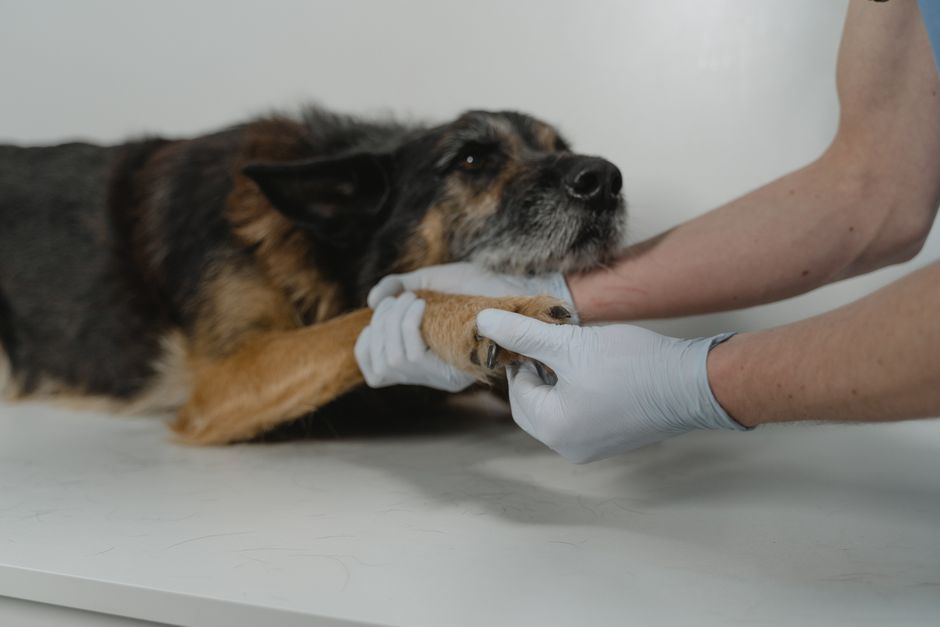
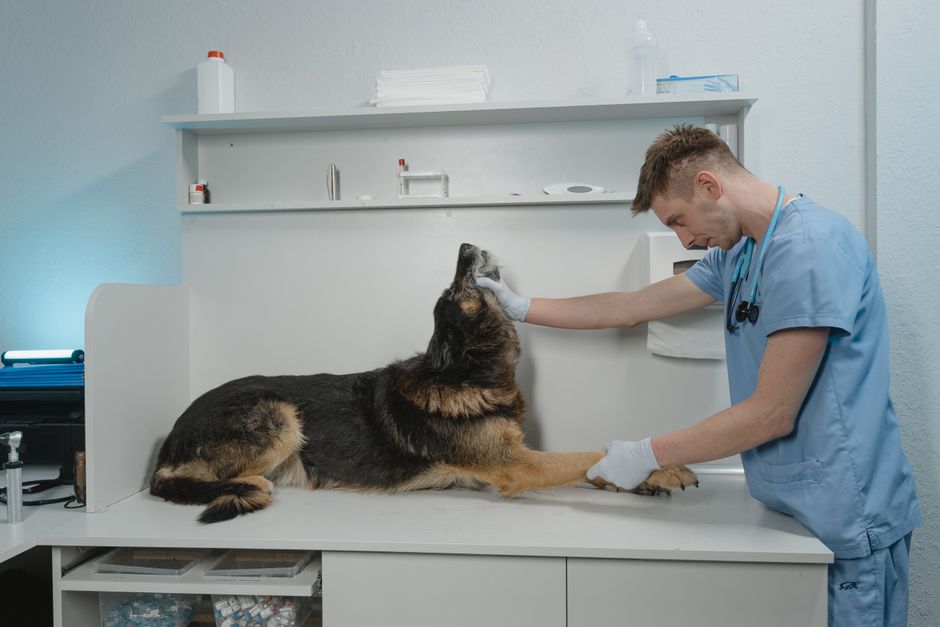
If your pet experiences any symptoms of cold-related injury or toxic exposure, prompt veterinary attention is crucial. At Harmony Road Veterinary Clinic, our veterinary professionals are equipped to manage a wide range of cold weather pet safety concerns, from mild frostbite to more severe cases of hypothermia or poisoning.
Treatment approaches vary depending on the severity and nature of the problem. For hypothermia, our team will focus on rewarming your pet safely, monitoring vital signs, and providing supportive care such as intravenous fluids or oxygen therapy if needed. Frostbite may require gentle warming of the affected areas, pain relief, and sometimes antibiotics to prevent infection. Pets with suspected poisoning from antifreeze or de-icers need urgent intervention; our veterinarians may induce vomiting, administer activated charcoal, and provide intravenous fluids to support kidney function.
Orthopedic injuries, such as strains or sprains from slipping on ice, are managed using pain control, rest, and sometimes advanced diagnostics or surgery for more severe cases. Our clinic’s orthopedic and surgical capabilities allow us to provide comprehensive care for pets injured during the winter months. In every case, early intervention leads to the best outcomes, which is why we encourage you to reach out to our veterinary team at the first sign of trouble. Scheduling a wellness examination can also help identify any underlying health conditions that might make your pet more vulnerable to cold weather hazards.
Prevention and Home Care: Steps to Protect Your Pet This Fall
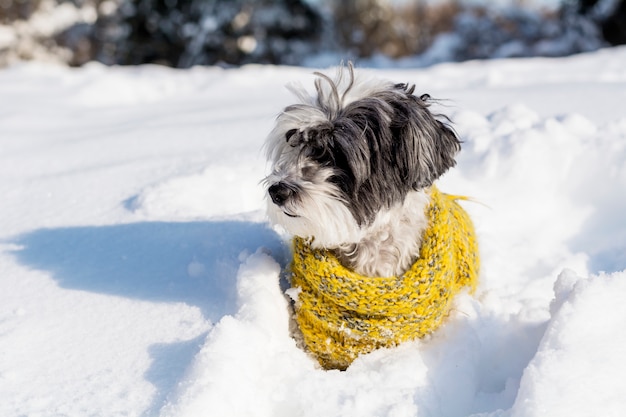
Taking proactive steps at home is essential for fall pet hazards in Fort Collins. Begin by monitoring local weather forecasts and limiting your pet’s time outdoors during frigid or windy conditions. When walks are necessary, opt for shorter outings and consider protective gear such as jackets or booties, especially for small or short-haired breeds. Wipe your pet’s paws and belly after outdoor activity to remove salt, ice, and any toxic residues they may have picked up.
Keep garages and driveways free of antifreeze spills and store dangerous substances securely out of your pet’s reach. Choose pet-safe ice melt products whenever possible, and avoid allowing your dog or cat to drink from puddles or snowbanks, as these can harbor harmful chemicals. At home, ensure your pet has a warm, dry place to rest that is away from drafts and off the cold floor.
Diet and hydration are also important components of cold weather pet safety. Pets may need additional calories in winter if they spend significant time outdoors, while others with lower activity levels may require careful monitoring to prevent weight gain. Always provide fresh water, as dehydration can occur even in cold weather. For pets with known medical conditions, regular check-ups and ongoing preventive care with your veterinarian in Fort Collins help maintain their resilience through the changing seasons.
If your pet shows signs of skin irritation or allergies during the fall and winter months, such as redness or excessive licking, our team can assist with allergy management to address these concerns before they escalate.
When to Seek Veterinary Care: Recognizing Emergencies and Acting Quickly
Despite your best efforts, emergencies sometimes happen. Knowing when to seek professional help is a vital part of cold weather pet safety in Fort Collins. Immediate veterinary attention is needed if your pet displays persistent shivering, weakness, confusion, or unresponsiveness, as these may indicate hypothermia or poisoning. Similarly, contact a veterinarian if you notice pale or discolored skin on your pet’s ears, tail, or paws, which could be signs of frostbite.
Other situations that warrant prompt veterinary care include ingestion of antifreeze, exposure to unknown chemicals, or injuries from slipping and falling. Pets that develop sudden difficulty walking, severe limping, or signs of pain after being outside should be evaluated by a veterinarian to rule out fractures or soft tissue injuries. For any questions about fall pet hazards in Fort Collins, or if you are unsure whether your pet’s symptoms require immediate attention, our knowledgeable team is always just a call away.
Scheduling a wellness examination before winter sets in is a smart way to discuss your pet’s individual risk factors and ensure their health is protected during the colder months.
Keeping Your Pets Safe: Take Action This Fall
As the days get shorter and colder in Fort Collins and surrounding communities, your commitment to cold weather pet safety will help your beloved companions thrive. By staying alert to seasonal hazards, implementing practical prevention strategies, and knowing when to call on your local veterinary team, you can minimize the risks your pets face during late fall and winter. Remember, your pet’s health and comfort are worth every effort.
If you have concerns about fall pet hazards in Fort Collins or would like guidance tailored to your pet’s unique needs, our compassionate veterinary professionals at Harmony Road Veterinary Clinic are here to help. Schedule an appointment for a comprehensive wellness examination or reach out with questions about any aspect of cold weather care. For trusted advice and quality veterinary services near me, contact us at (970) 631-8199 or visit our clinic on Harmony Road. Together, we can help your pets enjoy a safe, happy, and healthy season.
This blog is for informational purposes only and should not be used as a substitute for professional veterinary advice. Please consult your veterinarian for specific concerns or emergencies.