What to Do If Your Dog or Cat Is Limping
What to Do If Your Dog or Cat Is Limping
If you notice your dog or cat suddenly limping or favoring a leg, it can be alarming and leave you wondering what to do next. Limping, whether it starts abruptly or develops gradually, is one of the most common reasons pet owners seek veterinary care. At Harmony Road Veterinary Clinic in 309 W. Harmony Road, Fort Collins, CO 80526, our compassionate veterinary team understands how stressful it is to see your pet in pain or discomfort. We’re here to help you understand what can cause limping in dogs and cats, how to evaluate the situation at home, and when it’s time to schedule an appointment for a thorough assessment. In this blog, you’ll learn about the most common causes of limping in pets, signs that indicate urgent care is needed, and how our veterinarians in Fort Collins can diagnose and treat your pet’s discomfort so they can get back to their happy, active selves. Whether you’re a local pet owner or live in one of the surrounding communities, Harmony Road Veterinary Clinic is your trusted resource for personalized, same-day care for limping pets.
Recognizing Limping in Your Dog or Cat
When your dog or cat starts limping, it’s easy to worry about the worst-case scenario. Fortunately, limping is a symptom—not a diagnosis—and its severity can range from minor to serious. The first step is to observe your pet closely to determine how severe the limp is and whether your pet is showing any other concerning signs.
Key symptoms to watch for include favoring one leg, holding a paw off the ground, hesitating to jump, sudden yelping or vocalizing when moving, or licking at a specific limb or paw. You might also notice swelling, heat, or obvious wounds on the affected leg. Sometimes, pets will have difficulty standing up, struggle to climb stairs, or move more slowly than usual. Cats may be less obvious about their discomfort, so look for subtle changes like hiding, reluctance to jump onto furniture, or grooming a particular limb excessively.
If your pet’s limp is mild and they are otherwise acting normally—eating, drinking, and using the bathroom as usual—you can often monitor them for a short period. However, if the limp is severe, your pet cannot bear weight on the leg, or there are signs of significant pain, it’s important to seek veterinary attention promptly. Remember that animals often hide pain, so any change in movement or behavior warrants a closer look.
Common Causes of Limping in Pets
Limping in dogs and cats can result from a variety of issues, ranging from minor injuries to more complex health problems. Understanding the potential causes can help you gauge the urgency and guide your next steps.
In young, active pets, limping often results from sprains, strains, or soft tissue injuries caused by jumping, running, or rough play. Other frequent causes include torn nails, paw pad injuries, or foreign bodies like thorns or glass embedded in the paw. Overweight pets are especially prone to joint and ligament injuries, as the extra weight places more strain on their limbs.
Orthopedic conditions such as arthritis, hip dysplasia, or luxating patella are common in both dogs and cats, particularly as they age. These conditions can cause chronic or intermittent limping that may worsen with activity or cold weather. In some cases, more serious injuries like ligament tears (such as a cranial cruciate ligament rupture in dogs), fractures, or dislocations can occur, resulting in sudden and severe lameness.
Infections, abscesses, or inflammatory conditions may also lead to limping, often accompanied by swelling, redness, or heat. Certain types of cancer can affect the bones or soft tissues of the legs, causing persistent lameness that doesn’t improve with rest. Cats, in particular, may develop conditions like feline osteoarthritis or even ingrown claws, both of which can cause subtle but persistent limping.
When evaluating limping at home, consider your pet’s recent activities, age, and overall health status. If your pet recently jumped from a high surface or was involved in rough play, a soft tissue injury may be likely. For older pets, joint or bone conditions are more common. No matter the cause, it’s always safest to consult with your veterinarian to determine the underlying issue and prevent further complications.
Professional Diagnosis and Treatment Options
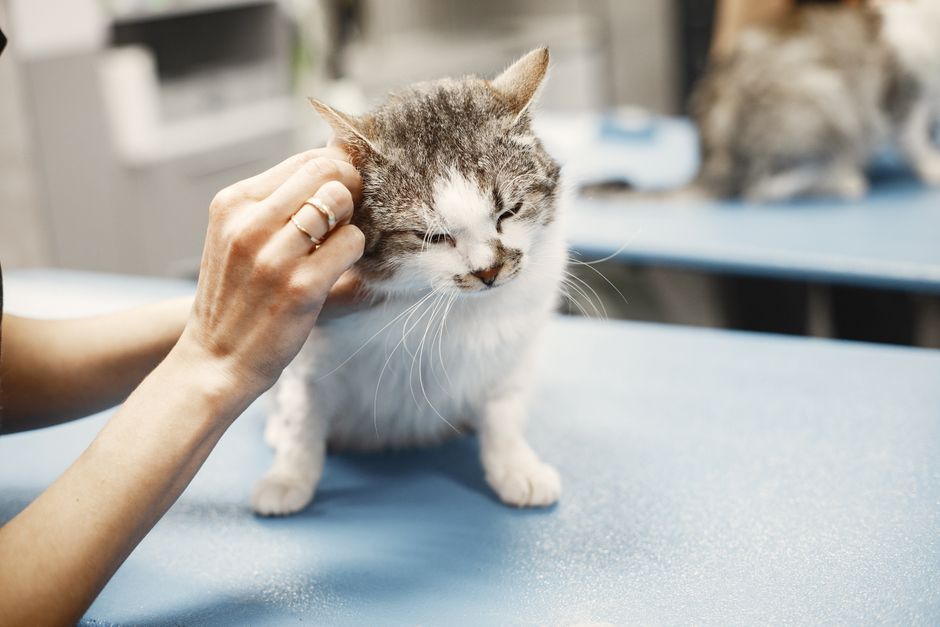
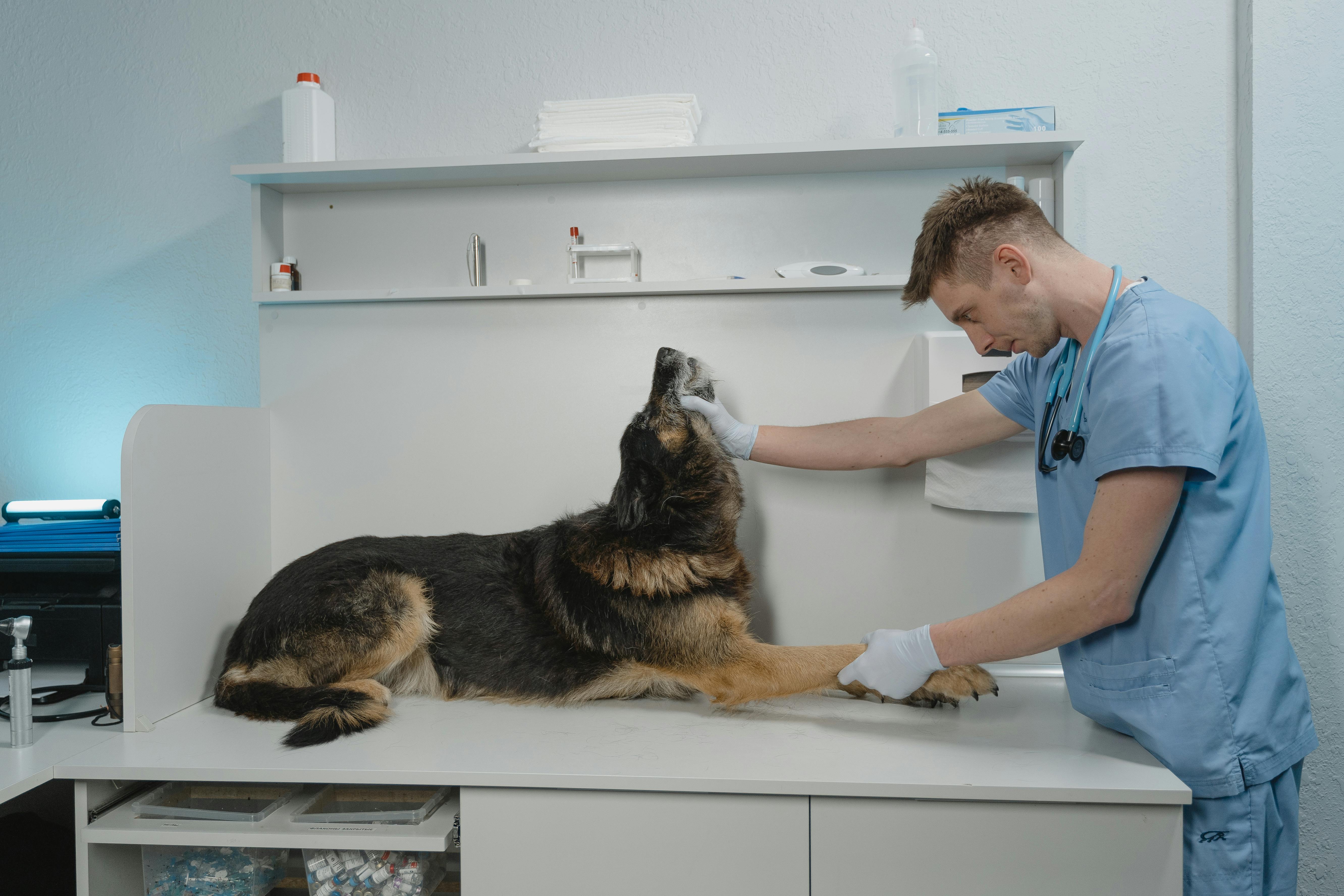
When you bring your limping pet to Harmony Road Veterinary Clinic, our veterinarians will take a thorough history and perform a careful physical examination to pinpoint the source of discomfort. We may gently palpate the affected limb, check for swelling, range of motion, and pain response, and look for wounds or foreign material. In many cases, additional diagnostics like X-rays or laboratory tests are needed to identify fractures, joint injuries, or underlying infections.
Treatment for limping depends on the cause and severity. For soft tissue injuries, rest, anti-inflammatory medications, and controlled exercise are often recommended. If the limp is due to a torn ligament—such as a cranial cruciate ligament rupture in dogs—surgical options like TPLO surgery may be considered to restore stability and function. Conditions like patellar luxation can also require surgical correction; our team offers advanced procedures such as MPL surgery for pets with this condition.
Arthritis and degenerative joint disease are managed with a combination of pain relief, weight management, joint supplements, and physical therapy. For more complex cases, procedures like FHO (Femoral Head Ostectomy) may be recommended to relieve chronic hip pain. If a severe injury or cancer is present and limb salvage is not possible, amputation services can provide a pain-free, high-quality life for many pets.
Soft tissue injuries, deep wounds, or abscesses may require surgical intervention; our veterinarians are experienced in a wide range of soft tissue surgeries to address these problems. Throughout the process, your pet’s comfort and quality of life are our top priorities, and our team will tailor treatment plans to your pet’s individual needs.
Home Care and Prevention Strategies
While some minor limps may resolve with rest, it’s important to avoid self-treating or giving your pet any medications without veterinary guidance, as some human pain relievers can be toxic to pets. Home care for mild cases involves providing a quiet, comfortable space for rest, limiting activity for a few days, and monitoring for improvement. Ensure your pet’s nails are trimmed, and check their paws for cuts, swelling, or foreign bodies after outdoor activities.
Prevention is often possible with regular veterinary check-ups, a healthy diet, and maintaining an ideal body weight. Regular wellness examinations help catch orthopedic issues early, allowing for proactive management before limping becomes a chronic problem. For active dogs, using ramps, keeping floors slip-resistant, and supervising high-energy play can reduce the risk of injuries. In cats, providing safe climbing options and preventing high-impact jumps helps protect their joints.
If your pet has a chronic condition like arthritis, following your veterinarian’s recommendations for joint supplements, exercise routines, and periodic rechecks will help manage discomfort and maintain mobility. Remember, prompt attention to limping—no matter how minor it seems—can prevent more serious issues from developing.
When to Call the Veterinarian
Knowing when to seek veterinary care for limping is crucial for your pet’s health and comfort. Immediate attention is necessary if your pet is unable to walk or stand, cries out in pain, has a visibly deformed or swollen limb, is bleeding or has an open wound, or if the lameness is accompanied by other signs such as lethargy, loss of appetite, or fever. Sudden, severe limping often indicates a more serious injury or condition and should be evaluated as soon as possible.
Even if your pet’s limp appears mild, it’s best to schedule an appointment if the lameness persists for more than 24-48 hours, worsens, or recurs repeatedly. Chronic or intermittent limping can signal underlying joint disease, orthopedic conditions, or other medical problems that benefit from early diagnosis and intervention.
At Harmony Road Veterinary Clinic, we offer same-day appointments and a wide range of diagnostics and treatments for limping pets. Our veterinarians are committed to providing compassionate, individualized care for each patient, ensuring that your pet receives the attention and expertise they need to feel their best. If you are searching for a "vet near me" because your dog or cat is limping, our clinic in Fort Collins is ready to help.
Supporting Your Pet’s Mobility for a Happier Life
Seeing your dog or cat limp can be stressful, but prompt, professional care makes all the difference in your pet’s recovery and long-term comfort. Understanding the causes and warning signs of limping helps you know when to seek help and what you can do at home to support your pet’s healing. At Harmony Road Veterinary Clinic, our team of veterinarians is dedicated to providing the highest standard of care for limping pets in Fort Collins and surrounding communities.
If your dog or cat is limping, don’t wait for the problem to worsen. Schedule an appointment with our veterinary team for a comprehensive wellness examination, or explore our orthopedic services if your pet needs more advanced care. Our clinic is here to answer your questions, provide expert treatment, and support your pet’s wellbeing every step of the way. Call us today at (970) 631-8199 to book your visit or to discuss your concerns with our knowledgeable veterinary professionals. Your pet’s comfort and mobility are our top priorities, and we look forward to helping your companion live a happier, healthier life.